

Eco-Friendly Gifts for Creative Kids: 10 Ideas

Table of Contents
- Why Eco-Friendly Gifts Matter for Creative Kids
- Sustainable Art Supplies for Kids
- Non-Toxic Craft Kits for Children
- Wooden Toys and Building Blocks for Open-Ended Play
- Mindful Activity Books for Children
- Experience-Based Eco-Friendly Gifts
- How to Choose and Care for Eco-Friendly Gifts
- Budget-Friendly DIY Alternatives to Premium Eco-Gifts
- Quick Picks Summary
- Frequently Asked Questions
Last Updated: September 25, 2026
Why Eco-Friendly Gifts Matter for Creative Kids
Eco friendly gifts for creative kids do more than entertain, they shape how children understand their relationship with the world. When you choose sustainable materials, non-toxic finishes, and mindfully designed toys, you're teaching kids that creativity doesn't require plastic waste or harmful chemicals. That's a lesson that sticks.
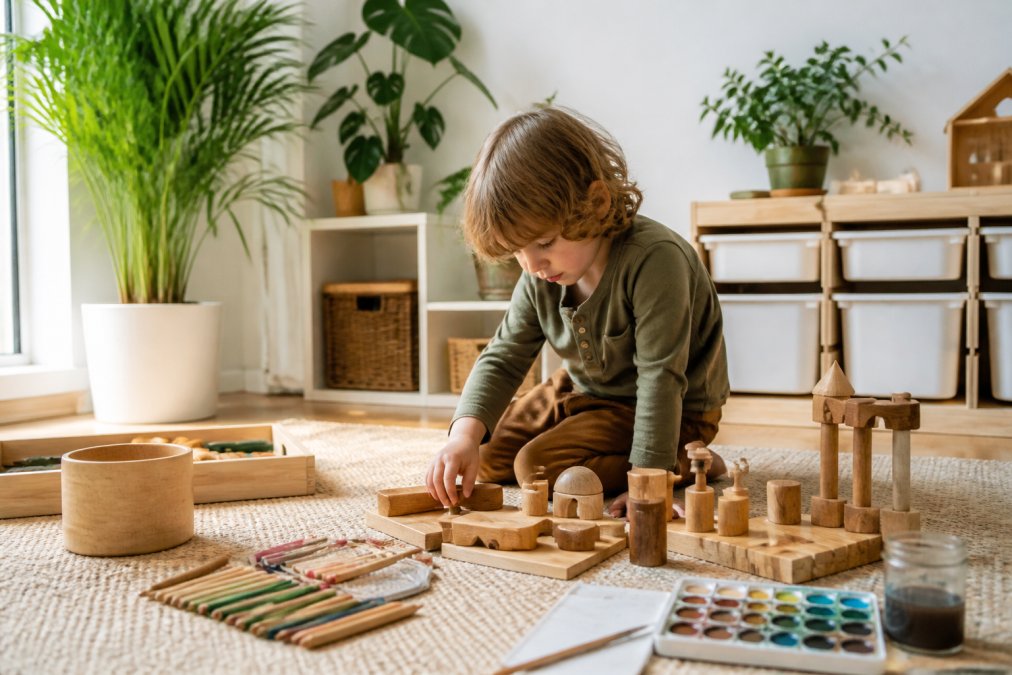
When you give a child a gift made from sustainable materials, beeswax crayons, wooden building sets, you're offering a tangible object that encourages open-ended play, sparks imagination, and teaches responsibility.
Eco-friendly gifts do double duty: they inspire artistic expression while modeling environmental consciousness. A child who grows herbs learns patience and food connection; one coloring on reusable mats reduces paper waste while developing fine motor skills.
At Discover Amazing Goods, we curate activity books and creative tools with minimalist, eco-friendly designs that spark imagination without overwhelming. This guide covers eco-friendly gifts for creative kids, from sustainable art supplies to experience-based gifts.
Sustainable Art Supplies for Kids
Traditional crayons, markers, and paints contain synthetic dyes, petroleum-based waxes, and plastic packaging. Eco-friendly alternatives deliver the same creative potential with safer materials.
Beeswax Crayons
Beeswax crayons are the safest choice for young artists. Made from natural beeswax and plant-based pigments, they're non-toxic and safe if accidentally ingested, a real advantage for toddlers.
They're firmer than standard crayons, deliver richer color saturation, and have a natural honey scent. Limitation: they soften in direct heat, so store away from sunny windowsills.
Starting price: $10.00 for a set. These crayons last longer than conventional alternatives, making them a solid value despite the higher initial cost.
Watercolor Pencils
Watercolor pencils unlock two modes: dry drawing and wet painting. Kids sketch like regular pencils, then activate pigment with water to create watercolor effects, reducing the need for multiple supply sets.
Kids draw precise details, then soften and blend with water for impressionistic effects. The compact format is portable, and plastic-free packaging reduces waste.
What to know: they work best with a brush and water source nearby, so they're better suited for kids old enough to handle a brush responsibly (typically age 5+). Starting price: $12.00.
Plum Play Create Reusable Coloring Mats
Reusable coloring mats eliminate paper waste. Plum Play Create mats feature wipe-clean surfaces for repeated use with specific markers or pencils.
A single mat replaces dozens of coloring books over time and withstands hundreds of sessions. Minimalist designs encourage focus without overwhelming.
The trade-off: you need the right markers or pencils to work effectively with the mats. Standard crayons won't erase cleanly from the surface. Starting price: $25.00.
Non-Toxic Craft Kits for Children
Non-toxic craft kits combine learning with hands-on creation, building focus, patience, and problem-solving skills without harmful chemicals.
Eco-Dough Modeling Set
Eco-Dough is a plant-based modeling compound made from food-grade ingredients scented with essential oils. It's non-toxic, a genuine safety advantage for children who mouth objects.
Kids sculpt shapes and develop hand strength and fine motor control. Natural ingredients are biodegradable and compostable, eliminating plastic waste.
Honest limitation: plant-based doughs have a shorter shelf life than synthetic versions. Once opened, they'll dry out faster if not stored properly in an airtight container. Starting price: $15.00.
Herb-Growing Set
Herb-growing kits include organic seeds, biodegradable pots, and guides on plant life cycles. Kids plant, water, watch germination, and harvest herbs they grew.
Learning spans biology, responsibility, and delayed gratification. Fresh herbs for cooking deepen the connection between growing and eating food.
This gift requires consistent care. Kids need reminders to water, and the process takes 3-4 weeks from seed to harvestable plant. That's the point, it teaches patience in a world of instant gratification. Starting price: $20.00.
Wooden Toys and Building Blocks for Open-Ended Play
Wooden toys encourage open-ended play where children direct their imagination. They develop creativity, problem-solving, and spatial reasoning while being durable and plastic-free.
Wooden Pasta Playset
Wooden pasta playsets invite pretend cooking. Made from sustainably harvested wood with non-toxic finishes, they include noodles, vegetables, and utensils for imaginative play.
Wooden kitchen toys build social skills, fine motor control, and creative narrative building. The toy doesn't dictate the story; the child does.
The limitation is scope. Wooden kitchen sets work best for pretend cooking and food play, so they're less versatile than general building blocks. Starting price: $30.00.
Montessori Climbing Triangle
A Montessori climbing triangle is a wooden structure for gross motor play, climbing, and balancing. Made from sustainably sourced wood, it encourages physical creativity and independence.
Kids invent their own ways to climb and balance.
Mindful Activity Books for Children
Mindful activity books, featuring coloring, dot-to-dot, mazes, and puzzles, help kids develop concentration and creative satisfaction in a screen-free format.
Experience-Based Eco-Friendly Gifts
Experience-based gifts create lasting memories and teach environmental awareness through direct nature engagement.
Mud Kitchen for Outdoor Play
A mud kitchen is an outdoor play station built from weather-resistant wood with counter space and a sink area for mixing mud, water, and natural materials.
Solar Lantern for Adventure and Learning
A solar lantern introduces renewable energy concepts through hands-on play. Kids charge it in sunlight and use it for evening adventures, making an abstract concept concrete.
How to Choose and Care for Eco-Friendly Gifts
Choosing eco-friendly gifts requires looking beyond marketing. Proper care and disposal maximize environmental benefit.
Checking for Sustainable Materials and Certifications
Look for specific material claims: "sustainably harvested wood," "beeswax," "plant-based," "non-toxic pigments." Vague claims like "eco-friendly" mean little without specifics.
Maintenance and Repair to Extend Product Life
The most eco-friendly gift lasts. Proper maintenance extends life significantly.
End-of-Life Disposal and Recycling Options
Wooden toys can be composted if untreated or donated to thrift stores. Many families pass them to younger siblings, the heirloom quality makes this practical.
Budget-Friendly DIY Alternatives to Premium Eco-Gifts
DIY alternatives cost less, teach resourcefulness, and spark creativity.
Homemade modeling dough: Mix flour, salt, water, and natural food coloring. It costs pennies and teaches that creative materials don't require commercial products.
Quick Picks Summary
Best Overall: Discover Amazing Goods activity books combine mindful design with eco-friendly materials, offering screen-free creative engagement.
| Gift Type | Starting Price | Best For | Key Benefit | Environmental Advantage |
|---|---|---|---|---|
| Beeswax Crayons | $10 | Ages 2-5 | Safe, non-toxic coloring | Biodegradable, plastic-free |
| Watercolor Pencils | $12 | Ages 5+ | Dual-mode art exploration | Reduced packaging waste |
| Reusable Coloring Mats | $25 | Ages 4-8 | Sustained creative focus | Eliminates paper waste |
| Eco-Dough Set | $15 | Ages 2-4 | Sensory motor development | Compostable materials |
| Herb-Growing Kit | $20 | Ages 6+ | Science and responsibility | Teaches food connection |
| Wooden Pasta Playset | $30 | Ages 3-6 | Imaginative pretend play | Sustainably sourced wood |
| Montessori Triangle | $120 | Ages 2-5 | Gross motor confidence | Heirloom-quality durability |
| Mud Kitchen | $150 | Ages 3-8 | Sensory outdoor engagement | Weather-resistant, long-lasting |
| Solar Lantern | $25 | Ages 6+ | Renewable energy learning | Zero-battery operation |
| DIY Alternatives | Free-$10 | All ages | Resourcefulness and creativity | Maximum sustainability |
Frequently Asked Questions
What makes eco-friendly gifts for creative kids different from regular toys?
Eco-friendly gifts prioritize sustainable materials like wood, organic cotton, and beeswax instead of plastic and synthetic dyes. They're designed to last longer, reduce environmental impact, and often support open-ended, imaginative play. Many contain non-toxic finishes and biodegradable components, making them safer for children and better for the planet when they reach end-of-life.
How do I know if sustainable art supplies for kids are actually non-toxic?
Look for certifications from recognized organizations and check product labels for specific ingredient lists. Beeswax crayons, for example, use natural pigments instead of petroleum-based wax. Watercolor pencils and plant-based doughs should clearly state they're food-grade or non-toxic. Always verify claims on the manufacturer's website and read customer reviews mentioning safety testing.
Are mindful activity books for children really worth the price compared to standard coloring books?
Mindful activity books combine multiple activities like dot-to-dot, color-by-number, and creative prompts designed to build focus and fine motor skills. They use minimalist designs that encourage thoughtful engagement rather than rushed completion. The quality paper, durable binding, and intentional layout often mean they hold up better through repeated use, making them a longer-lasting investment.
What should I do when eco-friendly toys break or wear out?
Most wooden toys and natural material gifts can be repaired with wood oil or non-toxic finishes. Check the manufacturer's care instructions for specific maintenance tips. When items reach end-of-life, natural materials like untreated wood, organic cotton, and beeswax are compostable or recyclable. Contact local waste management or craft centers to confirm proper disposal methods in your area.
Ready to inspire creative play with intention? Explore Discover Amazing Goods's curated collection of activity books and creative tools designed for minimalist, eco-conscious families. Each book combines engaging activities with sustainable design, offering screen-free creativity that builds focus, fine motor skills, and imaginative thinking. Find the perfect gift that sparks joy without the guilt.