

Little Seeds of Mindfulness Alternatives for Kids

Table of Contents
- Why Look Beyond Little Seeds of Mindfulness?
- Active Mindfulness Alternatives for Children Who Won't Sit Still
- Creative Expression: Art and Journaling as Mindfulness
- How to Teach Mindfulness to Kids Through Everyday Moments
- Emotional Regulation Strategies for Kids: A Practical Toolkit
- Digital Tools and Apps as Modern Alternatives
- Overcoming Common Implementation Barriers
- Conclusion: Building Your Child's Mindful Toolkit
- Frequently Asked Questions
Last Updated: September 5, 2026
Why Look Beyond Little Seeds of Mindfulness?
Many parents discover structured mindfulness programs only to find their child loses interest within days. The search for little seeds of mindfulness alternatives usually starts when a well-intentioned meditation routine meets a child who would rather build a fort than sit still. This is not a failure of parenting; it reflects a mismatch between the delivery method and how children naturally process the world.
Mindfulness for kids works best when it moves away from stillness and toward engagement. At Discover Amazing Goods, we have curated screen-free activity books that build focus through coloring, dot-to-dot, and number recognition. These hands-on tools teach present moment focus without requiring a child to close their eyes or stay quiet.
The goal is emotional regulation through action, not enforced calm. Below, we break down practical mindfulness alternatives categorized by temperament, energy level, and sensory needs, so you can find what actually sticks with your child.
Active Mindfulness Alternatives for Children Who Won't Sit Still
The biggest mistake parents make is forcing stillness before a child is developmentally ready. Active mindfulness alternatives channel that restless energy into intentional movement, which builds the same non-judgmental awareness that seated meditation does.
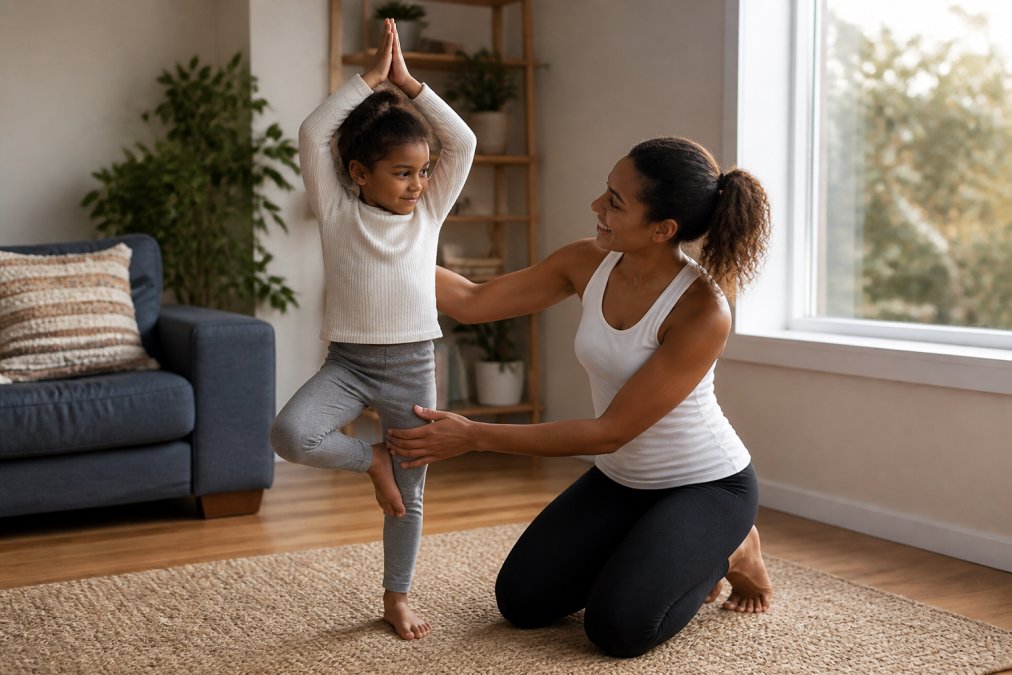
Mindful Movement: Yoga and Walking
Yoga for children shifts the focus from achieving perfect poses to noticing how the body feels in each position (peer-reviewed research). A simple walking meditation works too: ask your child to walk slowly and name what they hear, see, and feel on their skin. This sensory awareness training builds the mind-body connection without demanding stillness.
Sensory Play as a Grounding Technique
Grounding techniques that engage the senses anchor a child in the present moment faster than verbal instruction. Fill a bin with rice, sand, or water beads and let your child run their hands through it while describing the texture. This works especially well for children who struggle with interoception, the sense of internal body states (peer-reviewed research).
Creative Expression: Art and Journaling as Mindfulness
Art offers an accessible entry point for children who resist verbal reflection. Coloring books, in particular, require sustained attention on a single task, which naturally quiets mental chatter. The repetitive motion of filling a shape with color acts as a physical anchor, much like following the breath in adult meditation.
Gratitude journaling offers a structured alternative for children who enjoy writing. Instead of open-ended prompts that overwhelm, use specific questions: "What made you smile today?" or "Who helped you, and how did it feel?" This builds emotional resilience by training the brain to notice positive moments.
For younger children, drawing their feelings works better than writing them. A child who cannot articulate frustration can color an angry scribble and then tear it up, learning that emotions are temporary states, not permanent identities.
How to Teach Mindfulness to Kids Through Everyday Moments
Formal practice sessions often fail because they feel like schoolwork. Teaching mindfulness to kids works best when woven into routines they already enjoy, transforming ordinary activities into awareness training.
Mindful eating is one of the easiest entries. Ask your child to describe the first bite of a snack: the texture, the temperature, the taste. This savoring the moment practice slows down impulsive eating and builds attention span gradually.
Mindful observation works during car rides or waiting rooms. Play "I Spy" with a twist: instead of colors, look for textures, shadows, or small details. This develops cognitive focus and teaches children that their environment is full of interesting stimuli they normally overlook.
A common mistake is treating these moments as lessons rather than shared experiences. When a parent models curiosity alongside the child, mindfulness becomes a bonding activity rather than an instruction.
Emotional Regulation Strategies for Kids: A Practical Toolkit
Emotional regulation strategies for kids require a toolbox of options because no single technique works for every mood. Children need behavioral tools they can deploy independently when frustration or anxiety rises.
| Strategy | Best For | How It Works |
|---|---|---|
| Body scan | Wind-down before bed | Lie down and slowly notice each body part from toes to head |
| Deep breathing | Sudden meltdowns | Blow imaginary candles or trace a square while breathing |
| Loving kindness | Sibling conflict | Send a silent wish of happiness to the other person |
| Self-soothing corner | Overstimulation | A quiet space with soft textures, books, and a timer |
Deep breathing exercises become more effective when paired with a physical action. Have your child lie down with a small toy on their belly and watch it rise and fall. This visual feedback makes abstract breathing concrete.
The key is practicing these techniques when the child is calm. A child cannot learn a new regulation skill mid-meltdown; the brain's stress response blocks new learning (developingchild.harvard.edu). Practice daily when things are going well, so the tools feel familiar when needed.
Digital Tools and Apps as Modern Alternatives
For families comfortable with screens, digital mindfulness alternatives offer structured guidance with built-in accountability. These apps work best as supplements to offline practice, not replacements, but they solve the "I don't know what to say" problem for parents. The most effective approach is to use digital tools as a bridge, not a destination, moving children from screen-guided practice to self-directed awareness.
The Bridge Model: From Screen to Self-Directed Practice
A common pattern among families who successfully integrate digital tools is a three-phase progression. In phase one, the app provides full guidance. In phase two, the parent and child practice the same technique without the app, using a visual cue card. In phase three, the child initiates the technique independently when they notice stress. This progression typically takes six to eight weeks per technique.
App-Specific Guidance and Trade-Offs
Insight Timer offers the largest free library of guided meditations, including content specifically designed for children and parents. Its open-platform nature means quality varies, but the variety helps families sample different teachers and styles without commitment. For the bridge model, search for tracks under 5 minutes labeled "body scan for kids" or "sleep relaxation." Filter by duration to avoid overwhelming a child with a 20-minute track.
Finch gamifies emotional regulation by having children care for a virtual pet through completing self-care tasks. The interactive pet care model appeals to children who respond to rewards and gentle accountability, though it may feel too informal for older kids. The key trade-off is that the reward loop can become the motivation rather than the regulation skill itself. To counter this, pair each in-app task with a brief offline check-in: "What did you notice when you did that breathing exercise?"
Plum Village App stands out as completely free and non-commercial, based on the teachings of Thich Nhat Hanh. Its focus on deep relaxation and awareness makes it a strong choice for families seeking authentic mindfulness practice without ads or subscription pressure. The audio quality is excellent, but the interface is less child-friendly than other options, so parents should preview and curate specific tracks.
Using Audio as a Transition Tool
Audio-based mindfulness, whether from an app or a simple playlist, works particularly well for car rides and bedtime transitions. A five-minute guided body scan during the drive home from school can help a child decompress before entering the house. This is especially effective for children who experience after-school restraint collapse, where they hold it together all day and melt down at home.
Setting Boundaries That Prevent Screen Dependency
The risk with digital tools is that children begin to associate mindfulness exclusively with screens. Set a clear boundary: the app is a training wheel, not the bicycle. Use the app no more than three times per week, and alternate with offline practices from the other sections of this guide. When a child asks for the app unprompted, gently transition to the offline version: "Let's try the same breathing without the app, I'll be your guide."
Overcoming Common Implementation Barriers
Most mindfulness routines fail within two weeks, not because the activities are wrong, but because implementation hits real-world obstacles. Naming these barriers in advance helps families plan around them.
The first barrier is inconsistency. Sporadic practice teaches a child that mindfulness is optional. Instead, attach practice to an existing habit, such as deep breathing before every meal or a body scan after brushing teeth. This creates a reliable trigger without requiring willpower.
The second barrier is mismatched expectations. A five-minute practice for a three-year-old is unrealistic; start with thirty seconds and build gradually. For neurodivergent children, especially those with ADHD or sensory processing differences, seated meditation may never work. Active, movement-based practices often suit them better.
The third barrier is parental skepticism. If you do not believe the practice works, your child will sense it. Start with practices you genuinely enjoy, whether that is coloring together or taking mindful walks, so the activity feels like connection rather than instruction.
Conclusion: Building Your Child's Mindful Toolkit
The right mindfulness alternative for your child depends on their temperament, energy level, and sensory needs, not on what worked for another family. Start with one or two practices from this guide and commit to them consistently for a month before adding more.
Discover Amazing Goods offers a curated collection of activity books that support this journey through screen-free engagement. Our minimalist, eco-friendly coloring books and mindfulness journals build fine motor skills, focus, and number recognition while providing calming activities the whole family can share.
The goal is not to raise a child who meditates perfectly. The goal is to give your child tools for self-soothing, emotional resilience, and present moment focus that they can carry into adulthood.
Frequently Asked Questions
What are some effective mindfulness alternatives for children who can't sit still?
Active alternatives work best for high-energy kids. Try mindful movement like animal yoga poses. Sensory bins with rice or sand offer hands-on grounding. Even sweeping or wiping a table can become a mindfulness activity when you focus on the physical sensations. These approaches build present moment focus without demanding stillness.
How can I teach mindfulness to kids without using a book or app?
Weave it into everyday routines. During meals, practice savoring the moment by describing flavors and textures. On walks, play a game of mindful observation, spotting three things you haven't noticed before. Use a breathing exercise like 'smell the flower, blow out the candle' before transitions. These short, repeated practices build emotional regulation skills more effectively than occasional formal sessions.
Are creative arts like drawing or journaling considered true mindfulness practices?
Yes. Creative expression is a powerful form of non-judgmental awareness. When a child colors, they practice focusing on the present moment, noticing color choices and hand movements. Gratitude journaling shifts attention to positive experiences. The key is guiding the child to notice the process rather than focusing on the finished product. This builds the same cognitive focus and self-soothing benefits as seated meditation.
How do I choose the right mindfulness alternative for my child's age and temperament?
Match the activity to their sensory needs and developmental stage. Preschoolers respond well to playful breathing games and simple movement. School-age children often enjoy gratitude journals or body scan activities. Neurodivergent children may prefer solitary sensory play or apps with predictable structures. Start with short, low-pressure sessions and let your child's interest guide which activities you repeat.
Building a mindful toolkit takes experimentation and patience. Discover Amazing Goods pairs inspiring activity books with practical mindfulness journals designed for real family life. Explore our collection and find the screen-free tools that turn everyday moments into opportunities for calm, connection, and growth. Add your favorites to cart today.