

Eco Friendly Coloring Books for Adults: 7 Real Picks

Table of Contents
- 7 Eco Friendly Coloring Books for Adults That Skip the Greenwash
- Comparison Table: Sustainable Coloring Book Options
- 1. Discover Amazing Goods: Curated Eco-Conscious Activity Books
- 2. Creative Haven: Perforated Pages for Zero-Waste Framing
- 3. Greenerprinter: Custom Printing on Certified Paper
- 4. Digital Downloads: The Zero-Print Option
- 5. Printed with Soy Ink: Eco Promotions and Beyond
- 6. Sustainable Art Supplies for Adults: Pairing Your Book with the Right Tools
- Frequently Asked Questions
Last Updated: September 6, 2026
The adult coloring book market has exploded, but most bestseller lists ignore a simple question: what happens to the book when you are done with it? Eco friendly coloring books for adults address that gap by prioritizing recycled paper, non-toxic inks, and mindful production from cover to cover. This guide from Discover Amazing Goods cuts through the greenwash to show you seven real options that balance artistic quality with environmental responsibility.
Eco friendly coloring books are printed on recycled or FSC-certified paper with soy-based inks, and they are designed to be recycled or composted after use. The category also includes digital downloads that eliminate shipping and manufacturing footprints entirely. We have evaluated each pick on three criteria: material sourcing, printing practices, and end-of-life disposal. We also flag where popular products overstate their environmental claims, because a nature-themed cover does not make a book sustainable.
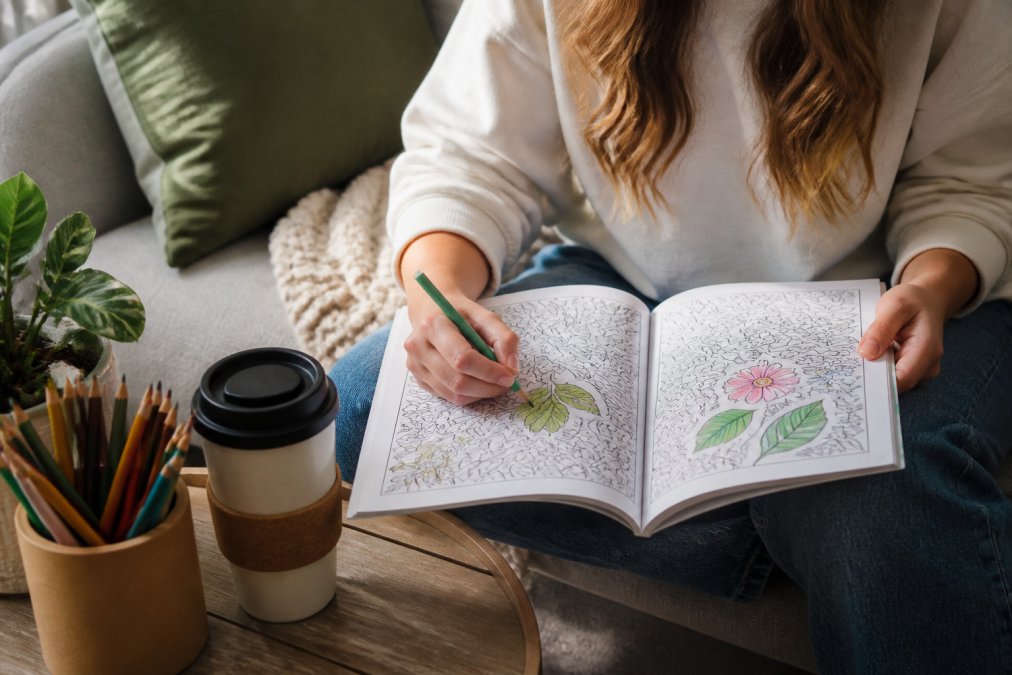
7 Eco Friendly Coloring Books for Adults That Skip the Greenwash
The most sustainable coloring book is the one that never gets printed. Digital downloads rank first for environmental impact, but physical books still dominate the market, and several manufacturers now produce genuinely responsible options. The seven picks below range from zero-waste digital files to USA-made books printed with soy ink on recyclable newsprint.
What separates real eco friendly coloring books from marketing spin comes down to verifiable choices. Look for post-consumer recycled paper content, soy-based ink certifications, and manufacturers that disclose their paper sourcing. A book that only features nature illustrations but prints on virgin paper with petroleum inks is not environmentally friendly, regardless of its aesthetic. The table below summarizes how each option in this list stacks up.
Comparison Table: Sustainable Coloring Book Options
Before comparing specific books, it helps to understand what the labels actually mean. The three most common claims you will see are FSC-certified, post-consumer recycled (PCR), and tree-free. They are not interchangeable, and each has a different environmental profile.
FSC-certified paper comes from forests managed to strict environmental and social standards set by the Forest Stewardship Council. The certification ensures that for every tree harvested, replanting and biodiversity protection are accounted for. However, FSC does not guarantee recycled content, it can be virgin fiber from a well-managed plantation. For a coloring book, FSC is a solid baseline, but it is not the same as recycled.
Post-consumer recycled (PCR) paper is made from paper that has already been used by consumers and recovered through recycling programs. It keeps material out of landfills and reduces the demand for virgin pulp. The tradeoff is that PCR paper can be slightly less bright and may have a more textured feel, which some artists actually prefer for pencil work. Look for a percentage claim, 100% PCR is the gold standard, but 30% PCR still makes a meaningful difference.
Tree-free paper is made from agricultural residues like wheat straw, hemp, or bamboo. It avoids forest clearing entirely and often uses less water than wood-pulp processing. The catch is that tree-free papers are less common in commercial book printing, so you will mostly find them in specialty or print-on-demand products. They are a strong choice when you can find them, but availability is limited.
| Option | Paper Source | Ink Type | Disposal Path | Best For |
|---|---|---|---|---|
| Discover Amazing Goods | Eco-conscious sourcing | Non-toxic | Recyclable | Curated activity books for all ages |
| Creative Haven | High-quality stock | Standard | Perforated pages for recycling | Framing finished art |
| Greenerprinter | Certified eco stocks | Eco-friendly | Custom recyclable runs | Business branding |
| Digital Downloads | User's choice | None | Zero physical waste | Maximum waste reduction |
| Eco Promotions | 50 lb offset cover / 30 lb newsprint | Soy-based | Fully recyclable | Bulk corporate gifting |
| Secret Garden (used) | Original virgin paper | Standard | Extended lifecycle | Buying secondhand |
When you see a book labeled simply "eco-friendly" without specifying which of these standards it meets, treat the claim with skepticism. A publisher that prints on FSC-certified paper but ships in plastic shrink-wrap has a different footprint than one using 100% PCR paper with compostable packaging. The table above summarizes the options in this guide, but the real takeaway is to check the fine print on the back cover or the publisher's website before you buy.
1. Discover Amazing Goods: Curated Eco-Conscious Activity Books
Discover Amazing Goods offers a curated selection of children’s and adult books designed to inspire learning, creativity, and mindful living. Our collection features engaging activity books, coloring books, and mindfulness journals that focus on minimalist, eco-friendly designs. We are dedicated to providing meaningful, high-quality products that spark imagination and bring joy to every reader.
The catalog spans children's and adult books, so families can reinforce sustainable habits across generations. Customers consistently highlight the creative, relaxing designs, with one reviewer noting the books are "perfect for family bonding time." The dual focus on fine motor skills and stress relief makes these books a practical tool for screen-free entertainment that also supports mental wellness.
For current pricing and available titles, visit the Discover Amazing Goods website directly.
2. Creative Haven: Perforated Pages for Zero-Waste Framing
Creative Haven solves a problem most coloring books ignore: what happens to your finished artwork. Each book in this series uses single-sided printing on perforated pages, so you can remove your completed piece cleanly for framing or display. From a sustainability standpoint, this design reduces paper waste because a ruined page does not force you to discard the facing artwork, and the removable pages simplify recycling at the end of the book's life.
The series offers a wide variety of artistic themes, from nature scenes to intricate patterns, printed on high-quality paper stock that handles multiple coloring mediums. At a typical retail price around $6.99, Creative Haven delivers strong value for artists who want their work to last. The honest limitation is that the publisher does not explicitly market these books as recycled paper content, so the environmental benefit comes primarily from the single-sided, perforated format rather than the material sourcing.
3. Greenerprinter: Custom Printing on Certified Paper
Businesses and creators who want fully custom eco friendly coloring books should work directly with Greenerprinter, a professional printing service built around sustainable practices. Unlike retail publishers, Greenerprinter lets you specify eco-friendly paper stocks and uses certified sustainable printing processes for every run. The service handles custom structures in multiples of four pages and provides professional file preparation support, making it viable for branded coloring books, event giveaways, or self-published artist projects.
The tradeoff is that Greenerprinter operates on a custom quote model with minimum order quantities, so it is not practical for someone buying a single book. For organizations, however, this is the most reliable way to ensure every component, from paper sourcing to ink selection, meets verified environmental standards. The Greenerprinter's sustainable printing documentation outlines their certified processes and available paper stocks in detail.
4. Digital Downloads: The Zero-Print Option
Digital downloadable coloring pages represent the most sustainable option available, because they eliminate manufacturing, shipping, and packaging entirely. You purchase a PDF, print only the pages you want on paper you choose, and produce zero transportation-related carbon emissions. This approach gives you complete control over paper sourcing, so you can use recycled or FSC-certified stock from a local supplier.
The practical advantage extends beyond environmental impact. Digital downloads offer instant access to thousands of styles, often at lower prices than physical books, and many creators offer free sample pages so you can test the artwork before committing. The main requirement is access to a printer, and you lose the tactile experience of a bound book. For eco-conscious users who want full control over waste, the case for digital coloring book PDFs makes a compelling argument that printing at home on recycled paper beats any mass-produced alternative.
5. Printed with Soy Ink: Eco Promotions and Beyond
Soy-based ink represents a meaningful improvement over traditional petroleum-based inks because it is derived from a renewable resource and breaks down more easily during paper recycling. Eco Promotions offers a USA-made adult coloring book gift set printed entirely with soy-based inks. The covers use 50 lb white offset paper, while interior pages are 30 lb bulky newsprint, and the entire product is fully recyclable.
This option is designed for bulk and promotional use rather than individual retail, so you will need to contact the company for pricing. For corporations seeking sustainable branded giveaways, it checks the right boxes: domestic manufacturing, renewable ink sources, and clear recyclability. The EPA guidance on sustainable printing and recyclable materials confirms that soy-based inks and newsprint stocks are among the more environmentally sound choices available to commercial printers.
6. Sustainable Art Supplies for Adults: Pairing Your Book with the Right Tools
Most guides stop at the book itself, but the environmental impact of your coloring session extends to the tools in your hand. A lifecycle analysis of a typical adult coloring setup reveals a surprising fact: the pencils, markers, and sharpeners you use can outweigh the book's footprint, especially if they are single-use plastic or petroleum-based. Here is how to think through the full picture.
Colored pencils are generally the lowest-impact option. Look for pencils made from FSC-certified or reclaimed wood, brands like Faber-Castell and Prismacolor offer lines with certified wood sourcing. The core should be pigment-based rather than dye-based, since pigments are more lightfast and require less binder. Avoid pencils with plastic ferrules or rubber erasers that complicate recycling; all-wood pencils can be composted or recycled with paper waste once sharpened down to a nub.
Markers are the problem child. Most alcohol-based markers use plastic barrels, synthetic felt tips, and solvent inks that release volatile organic compounds (VOCs) into your workspace. They also bleed through thinner recycled papers, ruining the page behind. Water-based markers are a better choice, they are less toxic, produce fewer fumes, and are easier to clean up. Some brands, like Tombow, offer refillable marker systems that reduce plastic waste significantly. If you already own alcohol markers, use them until they run dry, then switch to water-based or refillable options rather than discarding them prematurely.
Sharpeners and accessories are often overlooked. A metal handheld sharpener lasts decades and produces wood shavings you can compost. Plastic electric sharpeners consume electricity and eventually end up in a landfill. The same logic applies to blending stumps, erasers, and storage cases, choose metal, wood, or cloth over plastic whenever possible.
A common pattern among eco-conscious colorists is to pair a recycled-paper book with water-based markers or FSC-certified pencils, then compost the pencil shavings and recycle the book when finished. That full lifecycle approach, from sourcing to disposal, is what separates genuine sustainable practice from surface-level green marketing. The book matters, but the tools you use with it matter just as much.
Frequently Asked Questions
What makes a coloring book eco-friendly?
An eco friendly coloring book for adults typically uses post-consumer recycled paper or FSC-certified paper, printed with soy-based inks. Look for plastic-free packaging and check if the publisher states its paper sourcing. A book printed on recycled stock with vegetable inks and shipped without shrink wrap has a much lower carbon footprint than a standard mass-produced book.
Are digital coloring books better for the environment than printed ones?
Digital coloring books have the lowest carbon footprint because they eliminate shipping and manufacturing waste. You can print only the pages you want on recycled paper at home, which gives you full control over paper sourcing. If you prefer a physical book, look for one printed on post-consumer recycled paper with soy-based ink to keep the environmental impact low.
What are the best non-toxic coloring pencils for adults?
Look for pencils labeled non-toxic and certified by the Art & Creative Materials Institute (ACMI). Many brands use sustainable wood sources, such as FSC-certified cedar. Water-based pencils are a good choice because they blend easily and do not require chemical solvents. Pairing these pencils with recycled paper books completes a sustainable art supply setup.
How do I responsibly dispose of a used coloring book?
If the pages are clean and free of heavy paint or glue, place the book in your curbside recycling bin. Books with heavily painted pages or spiral bindings should go in the trash, as the coating and binding contaminate the recycling stream. You can also tear out finished artwork and compost the paper if it is printed with soy-based ink.
Choosing sustainable coloring supplies does not require sacrificing artistic quality. Discover Amazing Goods curates coloring books and mindfulness journals with minimalist, eco-friendly designs that spark creativity and support screen-free relaxation. Explore the collection to find books that combine fine motor skill development, stress relief, and genuine environmental responsibility. Add your favorites to cart and start coloring with a clear conscience.