

7 Best Minimalist Activity Books for Kids in 2026

Table of Contents
- Why Minimalist Activity Books Matter for Child Development
- Quick Comparison: Top Minimalist Activity Books at a Glance
- 1. Dover Little Activity Books: Pocket-Sized Classics for Travel
- 2. Highlights Activity Books: Building Problem-Solving Skills
- 3. Usborne Activity Books: Durable Design Meets Visual Clarity
- 4. Lil Legends Books: Cognitive Development for Ages 3-6
- Screen-Free Activities for Kids: How to Choose the Right Book
- How to Encourage Creativity in Children Through Activity Books
- Frequently Asked Questions
Last Updated: September 4, 2026
Why Minimalist Activity Books Matter for Child Development
A minimalist activity book for kids strips away visual noise, leaving clean layouts and focused tasks that build concentration and confidence. Understanding how minimalist design supports child development helps parents make intentional choices.
How Minimalist Design Reduces Cognitive Load
Crowded pages with competing colors and text fragment a child's working memory, causing cognitive overload (peer-reviewed research). In minimalist layouts, the activity becomes the dominant visual element, allowing attention to settle directly on the skill being practiced. This supports hand-eye coordination, fine motor skills, and problem-solving without mental fatigue.
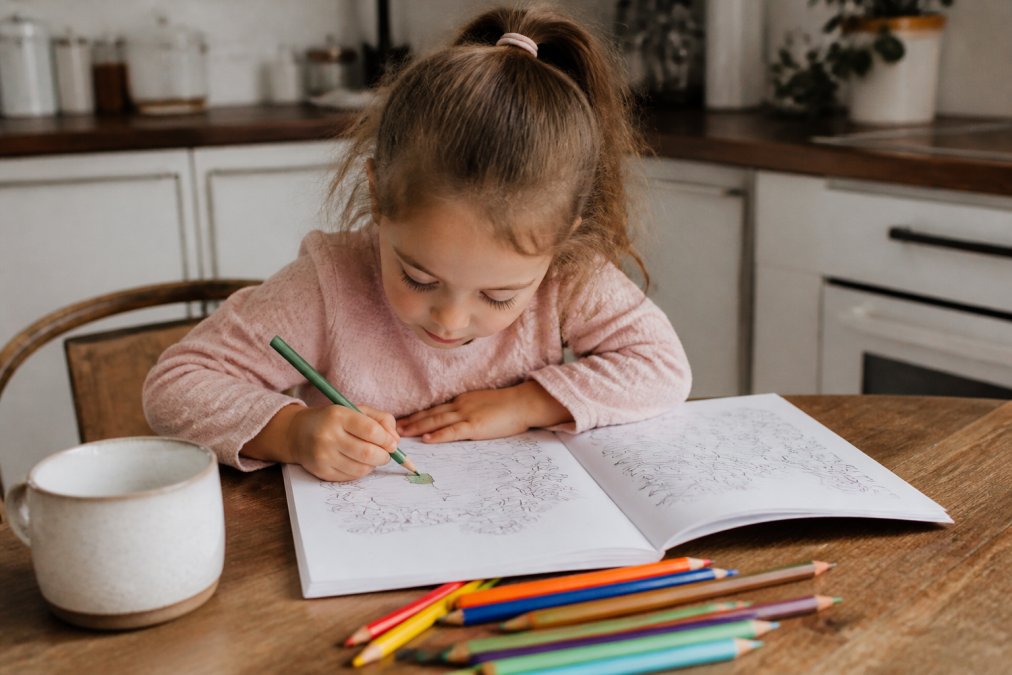
Parents report that children sit longer with minimalist books because tasks feel achievable and progress is visible. Completing a page without distraction builds intrinsic motivation to return to the activity.
Sensory Considerations for Anxious or Neurodivergent Children
For children with sensory sensitivities, anxiety, or attention challenges, overstimulating activity books can trigger avoidance or overwhelm (apa.org). Minimalist design is often a necessity, creating a calmer entry point to learning during ages 3-7 when self-regulation skills are developing.
Building Sustained Attention
Minimalist activity books build sustained attention, a foundational skill for academic success (peer-reviewed research). Focusing on single, clear tasks practices the mental discipline required for reading, math, and classroom learning.
Quick Comparison: Top Minimalist Activity Books at a Glance
The right book depends on your child's age and your needs, whether pocket-sized for travel or sturdy for home use.
| Book Brand | Starting Price | Best For | Standout Feature |
|---|---|---|---|
| Dover Little Activity Books | $1.50 | Travel and quiet time | Compact, pocket-sized format |
| Highlights Activity Books | $5.99 | Logic-based challenges | Iconic "Hidden Pictures" puzzles |
| Usborne Activity Books | $6.99 | Visual and tactile learners | Durable, wipe-clean pages |
| Lil Legends Books | $7.99 | Cognitive development (Ages 3-6) | Simple, uncluttered activity pages |
This table gives you a quick view of how the options stack up. The right choice depends on whether you need a single-use travel companion or a more comprehensive skill-building tool for home.
1. Dover Little Activity Books: Pocket-Sized Classics for Travel
Dover Little Activity Books are ideal for travel, restaurant waits, and quiet time. These compact books slip easily into a purse or backpack.
They feature classic puzzles, mazes, and coloring activities without visual clutter. High-quality paper holds up well to crayons and colored pencils, with diverse themes from nature to logic puzzles.
The small format can be tricky for children developing fine motor skills, but for older kids they are an excellent, budget-friendly screen-free option.
2. Highlights Activity Books: Building Problem-Solving Skills
Highlights activity books are a time-tested choice for children who thrive on logic and structured challenges, featuring iconic "Hidden Pictures" puzzles that build confidence and problem-solving skills.
Highlights offers difficulty levels from simple find-and-match tasks to complex brain teasers, making them versatile as children grow. They excel at keeping kids engaged during independent play.
Some titles contain more text and visual elements than strict minimalist design, but for parents prioritizing cognitive skill development, the structured engagement is worth it.
3. Usborne Activity Books: Durable Design Meets Visual Clarity
Usborne activity books combine clean illustrations with interactive elements that hold up to repeated use. Their durable paper stock and sturdy bindings are ideal for families tired of books falling apart.
Their clean, uncluttered graphic design allows activities to take center stage. Many titles include stickers and wipe-clean pages, adding tactile learning for sensory play and fine motor skill development.
Usborne products are often sold through independent consultants, making them harder to find, but for parents valuing aesthetic quality and durability, the effort is worth it.
4. Lil Legends Books: Cognitive Development for Ages 3-6
Lil Legends Books target ages 3-6, creating minimalist activity books designed to boost focus and encourage independent thinking with simple, uncluttered pages that avoid overstimulation.
Activities build visual recognition, pattern recognition, and logical reasoning in a playful way, making them excellent for supporting early literacy and problem-solving skills.
The catalog is smaller than larger publishers, but for parents prioritizing focus-building and developmental milestones, the clean layout makes Lil Legends a strong choice for home use.
Screen-Free Activities for Kids: How to Choose the Right Book
Choosing the right book means matching the activity to your child's interests, developmental stage, and family values. The goal is screen-free activities that feel like a treat, not a chore.
Matching Activity Type to Your Child's Interests and Abilities
Observe what your child gravitates toward. Animal lovers engage more with wildlife themes; those interested in letters and numbers benefit from early literacy options. Consider practical context: pocket-sized books suit travel, while larger books with wipe-clean pages work better for the kitchen table.
Avoid books that are too advanced or too simple, which cause frustration or boredom. Check age recommendations and preview the book to gauge complexity. The best book sits at the edge of your child's abilities.
Sustainability and Eco-Friendly Materials: A Growing Parent Priority
An often-overlooked factor is environmental impact. Parents increasingly ask: Is the paper sustainably sourced? Is the book recyclable? Are the inks non-toxic? This matters because activity books are often single-use or passed through multiple children.
Look for books printed on recycled or sustainably sourced paper with FSC certification. Avoid plastic lamination or excessive packaging. Dover Little Activity Books use recycled paper and soy-based inks; Usborne emphasizes responsible sourcing.
If sustainability matters, ask publishers directly or check their websites for environmental certifications.
Digital-Free Travel: The Minimalist Advantage
Minimalist activity books excel as travel companions because they require only a pencil or pen. Busy books demand crayons, stickers, glue, or scissors, items that add weight and create mess.
A single pocket-sized book and pencil can occupy a child for 30-60 minutes on flights, road trips, or in waiting rooms. The clean layout means less visual stimulation, helping children stay calmer.
When selecting a book for travel, prioritize:
- Compact size (pocket-sized or smaller than 6" × 8")
- Durable paper that won't tear with repeated page-turning
- Activities that require only a pencil or pen (avoid sticker books or those requiring scissors)
- Variety within the book (mix of mazes, tracing, matching, and puzzles) to sustain interest across a longer journey
How to Encourage Creativity in Children Through Activity Books
Activity books encourage creativity through how you present them. Frame the book as an invitation to explore rather than a task to finish, fostering creative expression and independent play.
Encourage your child to go beyond instructions. Let them decorate traced letters with their own patterns or choose unexpected colors. This freedom builds confidence. Minimalist books provide a blank canvas for imagination.
Participate without taking over. Sit with your child, ask questions, and praise effort rather than outcome. This shared attention deepens the bonding experience and turns the book into a cherished ritual.
Choosing the right minimalist activity book for kids comes down to understanding your child's unique needs, from their age and motor skills to their interests and your family's lifestyle. Whether you need a portable solution for travel or a durable book for daily quiet time, the options above offer a clutter-free path to building focus, confidence, and creativity. Discover Amazing Goods offers a curated selection of these mindful, eco-friendly activity books, combining engaging activities like color-by-number and dot-to-dot to build fine motor skills and number recognition. Get started with Discover Amazing Goods and find the perfect screen-free activity to spark your child's imagination today.
Frequently Asked Questions
What are the main benefits of minimalist activity books for children?
Minimalist activity books reduce visual clutter, allowing children to focus deeply on individual tasks. They build fine motor skills through coloring, tracing, and puzzle activities; strengthen hand-eye coordination; and develop problem-solving abilities. The uncluttered design also encourages independent play and helps children build focus and concentration, skills that transfer to school and everyday learning. Unlike screen-based entertainment, these books provide tactile, screen-free engagement that supports healthy cognitive development.
How do minimalist activity books encourage screen-free activities for kids?
Minimalist activity books offer engaging, hands-on alternatives to tablets and screens. Their clean design and focused activities hold children's attention without the overstimulation of digital content. The tactile experience of holding a pencil, turning pages, and completing tasks creates a calming, immersive experience. Parents often report that children sit longer with these books than with screen alternatives, making them ideal for travel, quiet time, or boredom-busting during family moments.
How can I tell if a minimalist activity book will actually hold my child's attention?
Look for books with age-appropriate difficulty levels, varied activity types (mixing coloring, tracing, puzzles, and matching), and themes your child enjoys. Quality paper that holds up to crayons and colored pencils matters, flimsy pages lead to frustration and abandonment. Check customer reviews for engagement feedback, and consider starting with a single book in your child's favorite theme (animals, vehicles, nature) rather than a bundle. Books with sticker activities or interactive elements often increase engagement for younger children.
How does how to encourage creativity in children relate to activity books?
Activity books encourage creativity by providing structured yet open-ended tasks. Coloring pages let children choose colors and express artistic vision; dot-to-dot and tracing activities build motor control while leaving room for personal style; and puzzle-solving develops creative problem-solving. Minimalist designs avoid prescriptive imagery, giving children space to interpret and create rather than simply fill in blanks. This balance between guidance and freedom is key to fostering genuine creative expression and artistic confidence.
What age groups benefit most from minimalist activity books?
Ages 3-6 benefit greatly from simple, large-format books with tracing, matching, and early number recognition. Ages 7-10 engage with more complex puzzles, mazes, and logic challenges. Older children and teens enjoy word searches, Sudoku, and artistic coloring books. Adults use them for stress relief and mindfulness. The key is matching complexity to developmental stage, too easy and children lose interest; too hard and frustration sets in. Minimalist designs work across all ages because they remove distractions and let the activity itself shine.