

Benefits of Using Sustainable Paper Journals

Table of Contents
- Why Sustainable Paper Journals Matter
- Environmental Benefits of Sustainable Paper Journals
- Recycled Paper Notebooks: A Circular Approach
- Tree-Free Paper Journals and Alternative Fibers
- How to Recycle Notebooks and Close the Loop
- Durability, Performance, and Usability
- Journaling as a Tool for Sustainable Living
- Frequently Asked Questions
Last Updated: October 10, 2026
Why Sustainable Paper Journals Matter
Choosing sustainable paper journals transforms a personal practice into an act of environmental responsibility. At Discover Amazing Goods, we believe that the materials we use for our daily rituals should align with our values.
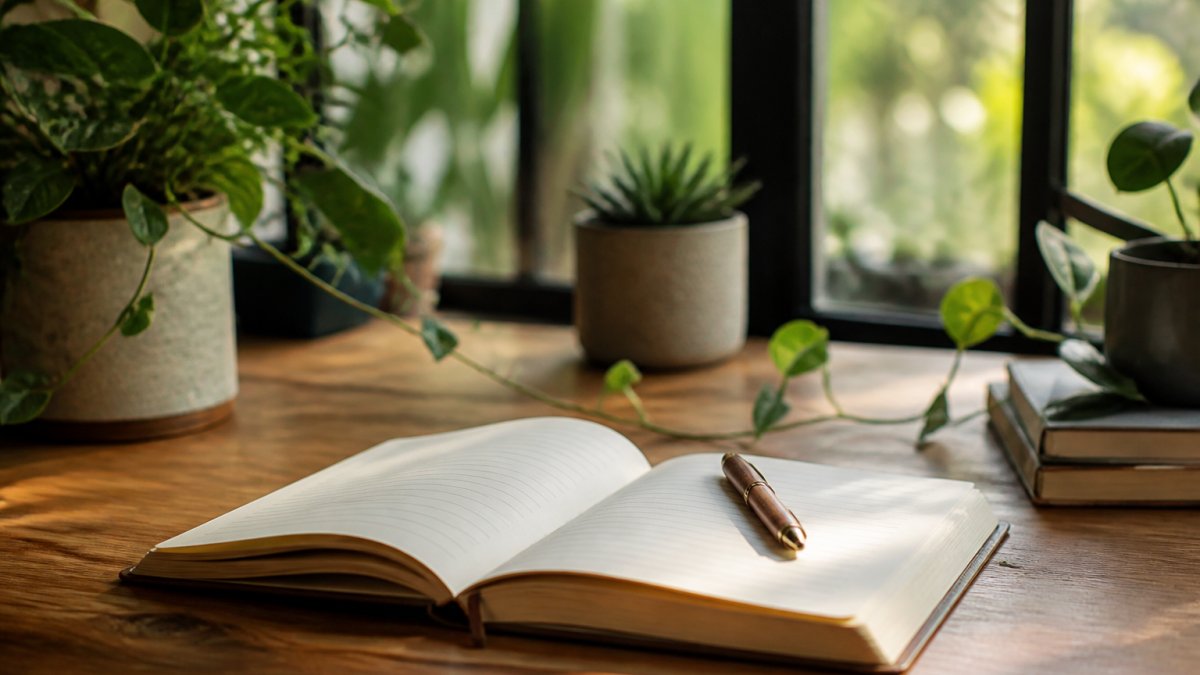
When you pick up a journal made from sustainable materials, you're making a choice that extends beyond yourself. Unlike conventional notebooks that rely on virgin wood pulp extraction, sustainable paper journals close the loop on waste and reduce pressure on natural ecosystems.
Environmental Benefits of Sustainable Paper Journals
Sustainable paper journals reduce demand for virgin resources by decreasing pressure on forests and the energy-intensive processes required to convert raw trees into usable paper.
Sustainable paper production consumes significantly less water than conventional papermaking. Recycled paper processing cuts water demand dramatically because fibers are already separated and cleaned. Tree-free alternatives like bamboo require even less water since they're harvested as byproducts.
Recycling existing paper fibers takes less energy than processing virgin wood pulp, avoiding the heat and chemical inputs required for bleaching and drying virgin fibers. Sustainable journals' longer lifespan compounds these energy savings over time.
Greenhouse gas emissions drop by eliminating tree felling, log transport, and raw wood processing. Recycled paper mills generate lower emissions per unit. Tree-free alternatives like bamboo regenerate without replanting, creating a renewable cycle.
Recycled Paper Notebooks: A Circular Approach
Recycled paper notebooks close the circular economy loop by collecting waste paper, processing it, and transforming it into new writing surfaces rather than sending it to landfills.
Waste paper is sorted, shredded, mixed with water, and processed to separate fibers. These fibers are cleaned, bleached if necessary, and reformed into new sheets. Modern recycled notebooks perform as well as virgin-fiber alternatives.
Recycled paper notebooks reduce landfill pressure, paper and cardboard make up roughly one-fifth of landfill waste. Purchasing recycled notebooks creates market demand for collected waste, incentivizing collection infrastructure and supporting recycling industry jobs.
Many recycled paper notebooks contain 50-100% post-consumer waste. Check product labels to verify recycled content, as transparency varies by manufacturer.
Comparing Recycled, Certified Virgin, and Tree-Free Paper
Understanding the trade-offs between paper types helps you choose the right journal for your needs:
Recycled Paper reduces forest harvesting and diverts waste from landfills. Very high recycled-content papers (above 80%) may have slightly shorter fibers and lower brightness. Cost is moderate and widely available for everyday journaling.
Certified Virgin Paper comes from responsibly managed forests verified by FSC or SFI certifications, ensuring strict environmental standards. Virgin fiber produces smoother, brighter paper preferred for fine-tip pens. Cost is comparable to recycled options. Certified virgin paper suits users prioritizing writing smoothness or long-term archival.
Tree-Free Alternatives (bamboo, agricultural waste) regenerate rapidly without replanting and require less chemical processing. Bamboo matures in 3-5 years versus 10-20 for trees. Limited availability and higher cost reflect smaller production volumes. Tree-free paper suits environmentally conscious buyers seeking specialty products.
Practical Guidance: Choose recycled paper for accessibility and cost; certified virgin paper for smoothness and longevity; tree-free alternatives to support emerging sustainable industries.
Tree-Free Paper Journals and Alternative Fibers
Bamboo reaches maturity in three to five years and regenerates from its root system without replanting, making it a genuinely renewable resource. Bamboo pulp produces paper with similar strength and writing quality to wood-based alternatives.
Agricultural waste fibers like straw, sugarcane bagasse, and hemp transform byproducts into valuable materials, creating value from waste and reducing the need to grow crops specifically for paper.
Tree-free papers require less chemical processing than virgin wood pulp, reducing water pollution and energy consumption. Some use oxygen-based bleaching rather than chlorine.
The trade-off is availability. Tree-free paper journals remain less common than recycled or virgin options, and pricing can be higher due to smaller production volumes. However, availability is expanding as demand grows and more manufacturers invest in alternative fiber processing.
How to Recycle Notebooks and Close the Loop
Using a sustainable paper journal is only half the equation. What happens when you fill the pages and move to a new notebook matters just as much. Closing the recycling loop ensures your journal contributes to the circular economy rather than ending in a landfill.
Most recycled paper programs accept filled notebooks if the binding is paper-based. Remove any plastic covers, metal spirals, or non-paper elements. These materials contaminate recycling streams and can damage processing equipment. If your journal has a plastic cover or metal binding, separate it before recycling the pages.
Check your local curbside recycling guidelines first. Many municipalities accept notebooks in standard paper recycling bins. If curbside recycling doesn't accept them, search for drop-off locations using Earth911 or similar databases. Some retailers and office supply stores maintain collection bins for paper products.
For journals with sentimental value, consider alternatives to immediate recycling. You might donate filled journals to schools, libraries, or community centers where they can be reused. Some people keep journals as personal archives. The goal is extending the useful life of the physical object before it enters the recycling stream.
Durability, Performance, and Usability
Sustainable paper journals sometimes carry an unfair reputation for poor quality. In reality, modern eco-friendly notebooks match or exceed conventional journals in durability, writing experience, and longevity, but understanding the specific performance characteristics helps you choose the right journal for your writing style.
Paper Weight and Thickness
Paper weight, measured in pounds per ream (500 sheets) or grams per square meter (gsm), directly affects how a journal feels and performs. Heavier paper (80-100 gsm) resists buckling when wet and provides more substantial feedback during writing. Lighter paper (60-70 gsm) is thinner but still durable if the fibers are well-bonded. Sustainable journals typically use 80+ gsm paper, matching or exceeding conventional notebooks. Check the product specifications before purchasing; reputable manufacturers list paper weight clearly.
Bleed-Through and Opacity
Bleed-through occurs when ink soaks through the page, making the reverse side difficult to read. This is a common complaint with thin or low-quality paper. Sustainable papers, especially recycled options made from high-grade office waste, are formulated to resist bleed-through through careful fiber selection and sizing (a chemical treatment that controls ink absorption). Most eco-friendly journals rated for fountain pens or markers have opacity ratings of 90% or higher, meaning ink stays on the surface rather than penetrating.
Ink Compatibility and Feathering
Feathering, where ink spreads into fine lines at the edges of letters, depends on paper finish and sizing. Sustainable papers with proper sizing work well with ballpoint pens, gel pens, and most fountain pens. Tree-free papers like bamboo often have natural properties that create excellent ink adhesion with minimal feathering. Recycled papers perform comparably to virgin alternatives when manufactured to the same standards.
Texture and Writing Feel
Sustainable papers often have a slightly more textured surface than glossy conventional paper. Many users prefer this texture because it provides subtle tactile feedback during writing and reduces the slippery feeling of ultra-smooth paper. Recycled papers may show minor color variation or slight texture variation due to the mixed sources of waste fibers, but this is a feature for many users, it signals authenticity and environmental commitment. Tree-free papers tend to have a consistent, pleasant texture that feels natural without being rough.
Longevity and Aging
Durability comes down to binding quality, paper thickness, and chemical composition, not material source. A well-bound sustainable journal withstands years of daily use. Pages don't yellow or deteriorate faster than conventional notebooks. In fact, acid-free recycled paper often ages better than some virgin alternatives because it lacks the chemical residues that cause yellowing over time. Sustainable journals made from chlorine-free bleached or unbleached fibers maintain their appearance for decades.
Real-World Performance Advantage
The real performance advantage of sustainable journals emerges over time. Because they're often produced by smaller, quality-focused manufacturers, construction standards tend to be higher than mass-market alternatives. Bindings hold through years of writing. Pages don't separate or tear as easily. Covers resist wear better. This durability means you keep the same journal longer, reducing the total number of notebooks you purchase in your lifetime, which directly reduces your environmental footprint.
Journaling as a Tool for Sustainable Living
Beyond the environmental benefits of the paper itself, the practice of journaling supports sustainable living in deeper ways. Regular reflection helps clarify values, track progress toward goals, and notice patterns in your choices and behaviors.
Many people use journals to document their sustainability efforts, tracking waste reduction, energy use, or consumption patterns. This practice creates accountability and reveals which changes actually stick. Writing forces clarity that casual thinking doesn't provide. You discover which sustainable swaps feel natural and which ones require willpower you'd rather spend elsewhere.
Journaling also builds environmental awareness over time. As you write about your choices and their impacts, you become more conscious of decisions you might otherwise make automatically. This awareness compounds. A journal entry about a purchase decision today influences your thinking next month when a similar choice arises.
When your notebook aligns with your values, you're more likely to maintain the habit. The object becomes a daily reminder of the person you're trying to be. That consistency, showing up to your journal day after day, creates the real change.
The therapeutic benefits of journaling are well-documented. Writing reduces stress, clarifies thinking, and supports emotional processing. Pairing this practice with sustainable materials creates a small ritual that honors both your inner life and the natural world. You're not just processing your thoughts, you're doing it in a way that reflects your commitment to environmental responsibility.
Sustainable paper journals represent a straightforward way to align your daily habits with your environmental values. The choice between recycled, tree-free, and certified virgin paper involves trade-offs in availability and cost, but all three options reduce impact compared to conventional notebooks. At Discover Amazing Goods, we've curated a collection of mindfulness journals and activity books that prioritize eco-friendly materials without compromising on quality, durability, or the writing experience. Our minimalist designs pair sustainable paper with thoughtful layouts that encourage reflection and creativity. When you choose a sustainable journal, you're investing in a tool that supports both your personal growth and environmental responsibility. Explore our collection to find the journal that matches your values and writing style.
Frequently Asked Questions
What makes a sustainable paper journal different from a regular notebook?
Sustainable paper journals are made from recycled materials, tree-free fibers like bamboo or agricultural waste, or responsibly sourced virgin pulp certified by organizations like the Forest Stewardship Council. Regular notebooks often use virgin wood pulp from uncertified sources, which contributes to deforestation and higher resource consumption. Sustainable journals reduce demand for virgin fiber, lower water and energy use in production, and support circular economy principles through recyclable or compostable materials.
Are recycled paper notebooks actually better for the environment?
Yes. Recycled paper notebooks reduce demand for virgin wood pulp, which cuts deforestation pressure and conserves natural resources. Producing recycled paper uses less energy and less water than virgin fiber production. Recycled content also diverts waste from landfills and reduces greenhouse-gas emissions across the paper's lifecycle. However, environmental benefit depends on the recycling process used and the percentage of recycled content, look for certifications to verify claims.
What is tree-free paper, and how does it help sustainable paper journals?
Tree-free paper is made from alternative fibers like bamboo, hemp, agricultural waste (straw, sugarcane bagasse), or fast-growing plants instead of trees. These materials regenerate quickly, require fewer pesticides, and grow on marginal land unsuitable for food crops. Tree-free journals reduce pressure on forests, lower carbon emissions during growth, and support agricultural waste reduction. They perform comparably to traditional paper for writing and journaling while offering the same durability and feel.
How can I tell if a journal is made with responsibly sourced paper?
Look for third-party certifications on the journal's packaging or product page, such as FSC (Forest Stewardship Council). These verify that paper comes from responsibly managed forests or recycled sources and that production meets environmental standards. Ask the brand directly about their sourcing practices, recycled content percentage, and certifications. Discover Amazing Goods provides transparency on eco-friendly materials used in their minimalist journal designs.